What to Expect from Ketamine Therapy Sessions
Ketamine therapy has become an important option for people struggling with persistent mood symptoms that haven’t improved with traditional approaches. For adults dealing with ongoing depression, it can offer a different pathway when standard depression treatment hasn’t delivered lasting relief.
At Aspire Med Group in Norwood, MA, patients often arrive after trying multiple forms of mental health therapy without meaningful change. Understanding what happens during ketamine therapy sessions can help reduce uncertainty and set realistic expectations before starting treatment.
How does ketamine therapy work for depression treatment?
A different approach to mood regulation
Ketamine works differently from many standard psychiatric medications. Instead of primarily targeting serotonin or dopamine, it influences glutamate activity in the brain, which plays a role in mood, cognition, and neural connectivity. This shift is why it’s often considered for treatment-resistant cases.
When it’s typically recommended
Clinicians may recommend ketamine therapy when other forms of depression treatment haven’t provided enough relief. At Aspire Med Group, it is considered as part of a broader mental health therapy plan, not a standalone cure, but a structured option within a monitored treatment process.
What happens during a ketamine therapy session?
Initial evaluation and preparation
Before starting, patients complete a psychiatric consultation to review medical history, current medications, and treatment goals. This step helps determine if ketamine therapy is appropriate and safe for the individual.
For patients also exploring other care options, Aspire Med Group may integrate services like psychiatric consultation or medication management. In some cases, individuals may also be referred to related support such as Suboxane treatment when co-occurring conditions are present.
The treatment experience itself
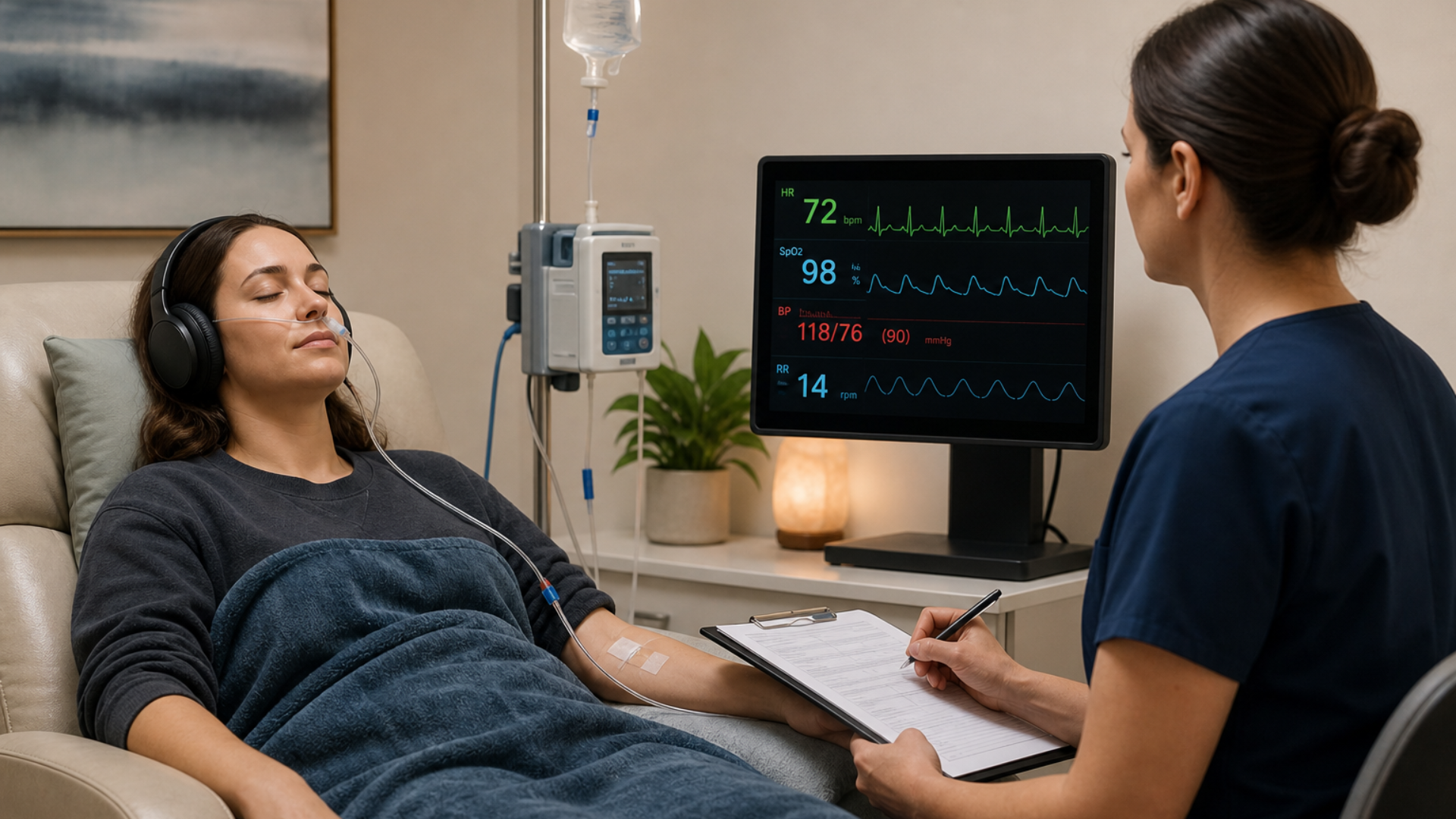
During a session, ketamine is administered in a controlled clinical setting while the patient is closely monitored. Most people remain awake but may feel detached from their immediate environment, which is a normal part of the process.
After the session
After treatment, patients spend a short recovery period at the clinic before going home. Some report temporary side effects like mild dizziness or fatigue, but these usually fade within hours. Follow-up care is an important part of the overall treatment process.
What results can patients expect over time?

Early response and symptom changes
Some individuals notice changes in mood within hours or days after their first few sessions. Others may need a structured series of treatments before experiencing meaningful improvement in depression symptoms.
Long-term maintenance and support
Ketamine therapy is often combined with ongoing mental health therapy or medication management. Aspire Med Group may also incorporate services such as
ADHD testing and treatment or psychotropic medication adjustments to support overall stability.
What should you know before starting ketamine therapy?
Safety and monitoring
Ketamine therapy is always administered under medical supervision. Vital signs are monitored throughout the session to ensure patient safety, and treatment plans are adjusted based on individual response.
Integration with other treatments
Many patients benefit most when ketamine therapy is part of a broader plan. This may include
medication tapers, psychiatric consultation, or other services offered at Aspire Med Group to address underlying conditions contributing to symptoms.
Local relevance for Norwood patients seeking mental health care
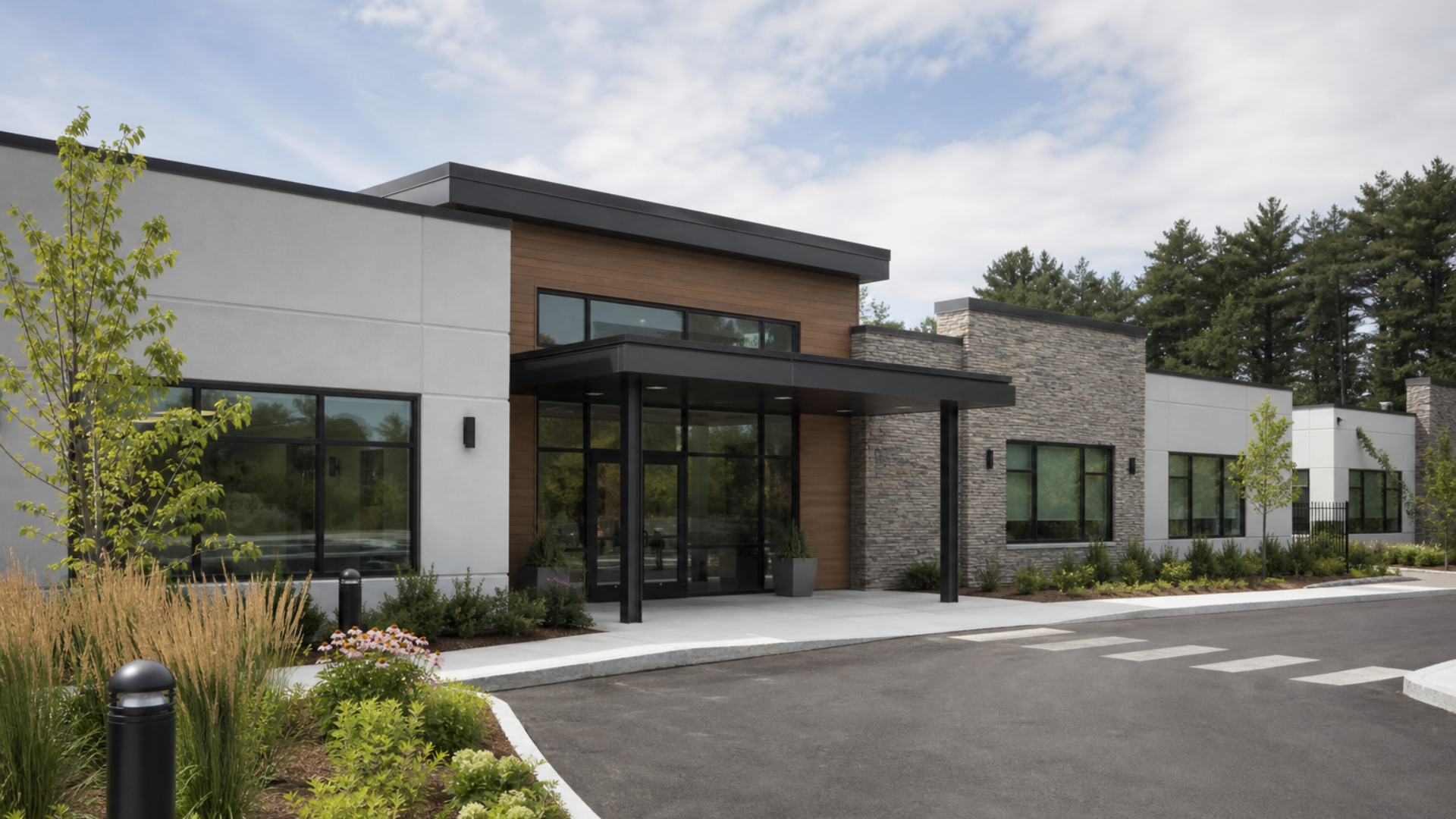
In Norwood, MA and surrounding communities, access to structured mental health therapy options has become increasingly important as more adults seek alternatives for treatment-resistant depression. Aspire Med Group provides locally based care, allowing patients to receive consistent follow-up without traveling far from home.
Start ketamine therapy with Aspire Med Group
Aspire Med Group in Norwood, MA offers guided ketamine therapy as part of a full mental health treatment process. To learn more or schedule a consultation, call 617-620-1933 and explore whether this approach may be right for your depression treatment goals.

Frequently Asked Questions
How long does ketamine therapy take to work?
Some patients report improvement within hours or days after treatment, while others notice gradual changes over several sessions. Response times vary depending on individual brain chemistry and treatment history.
Is ketamine therapy safe for depression treatment?
When administered in a clinical setting, ketamine therapy is considered safe and is closely monitored by medical professionals. Patients are evaluated beforehand to ensure it is appropriate for their condition.
How many ketamine sessions are usually needed?
Most treatment plans involve a series of sessions over several weeks, followed by maintenance treatments if needed. The exact number depends on symptom severity and response.
Will I be awake during ketamine therapy?
Yes, most patients remain awake but may feel relaxed or detached during the session. These effects are temporary and typically wear off shortly after treatment.
Can ketamine therapy replace other mental health treatments?
Ketamine therapy is usually part of a broader care plan rather than a replacement for ongoing mental health therapy or medication management. Providers often combine it with other treatments for best results.
Ketamine therapy offers a structured option for individuals who haven’t found relief through standard approaches. At Aspire Med Group, patients in Norwood, MA can explore this treatment in a monitored and supportive environment while working toward long-term mental health improvement.